Designing a Wildlife-Friendly Garden: Tips for a Biodiverse Outdoor Haven Apr 02, 2026
Firstly, focus on native plants. Native flora crucially supports local wildlife, providing food and shelter for various species. These plants are adapted to local climate conditions, making them more resilient and requiring less maintenance. Consider integrating a mix of perennials, shrubs, and trees, as the diversity of plant heights and types will offer different habitats. For example, indigenous wildflowers can attract pollinators like bees and butterflies, while native grasses can provide cover for small mammals and birds.
The creation of diverse habitats is essential. Incorporate a variety of natural features such as a rockpile, wooden logs, or leaf litter. These elements serve as habitats and nesting grounds for insects, amphibians, and reptiles. Adding a water feature like a small pond or birdbath can attract a range of wildlife by providing necessary water for drinking and bathing. Ensure that your pond has gentle slopes to allow creatures easy access in and out.
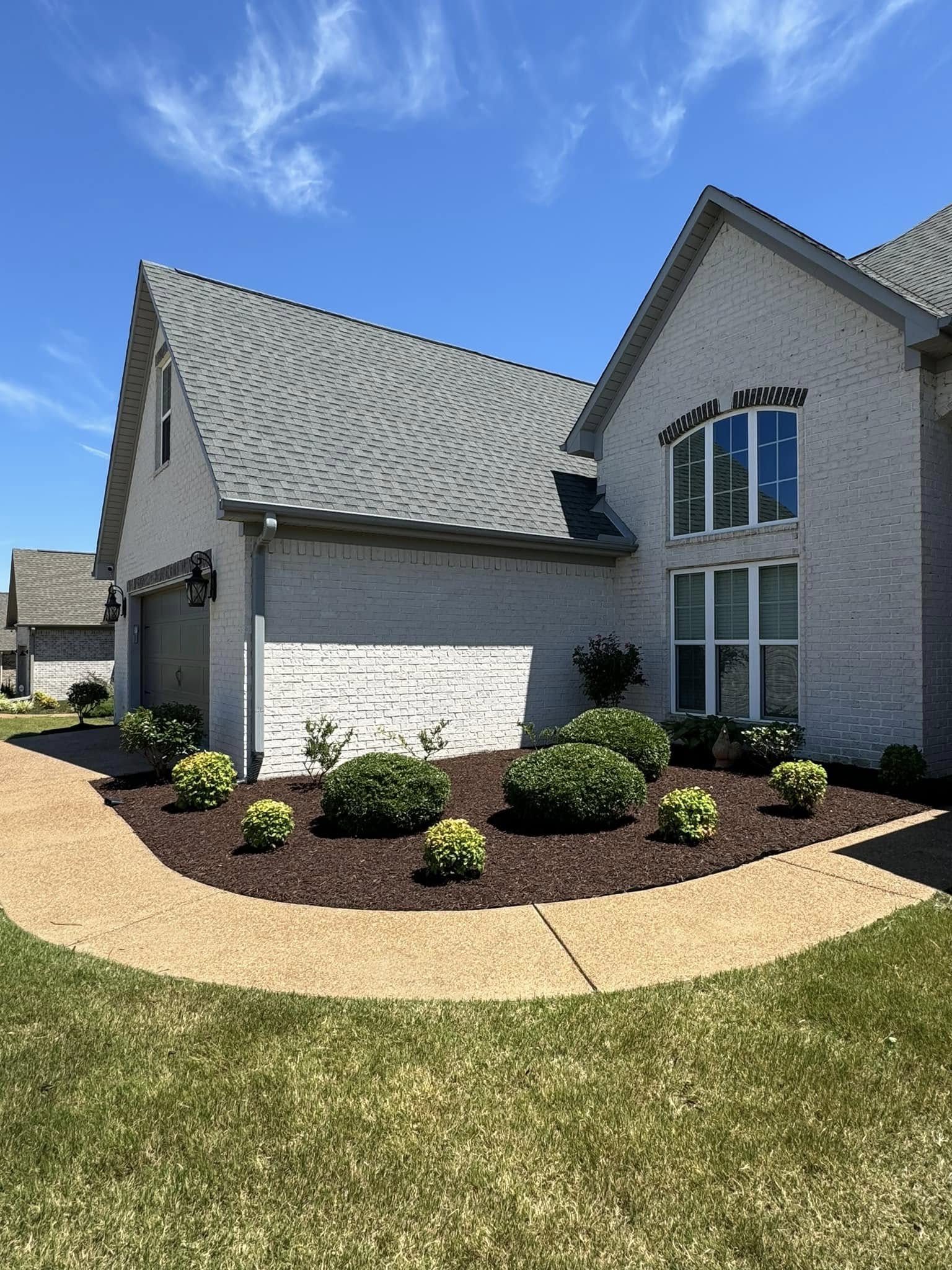
Consider planting hedges or creating layered plant beds. These features provide shelter and nesting spaces for birds, which are important contributors to pest control. A hedge of native species can serve as a living fence, enhancing privacy while helping birds and beneficial insects thrive. Including some taller trees can attract species who prefer canopies, enhancing the vertical dimension of your garden.
Another critical factor in designing a wildlife-friendly garden is reducing or eliminating chemical use. Instead of pesticides or herbicides, opt for natural pest control methods like encouraging predators such as ladybugs or mantises. Companion planting is also effective, as certain plant combinations can deter pests naturally. If you must use fertilizers, choose organic options that do not harm soil life or leach into water supplies.
To maintain your wildlife garden's sustainability, embrace composting. Composting yard waste and kitchen scraps can enrich your soil, reducing the need to purchase artificial soil amendments. It closes the nutrient loop in your garden, providing a continuous cycle of growth and decay that benefits plants and microorganisms alike.
Be sure to create corridors for wildlife movement. If your garden connects to other landscapes or green spaces, it serves as part of a larger habitat network, allowing animals to move safely in search of food, mates, and territory. Small steps like creating a gap in your fence or using permeable garden boundaries can make a big difference in facilitating wildlife movement.
Finally, patience is key. It takes time for a new ecosystem to establish itself. Regular observation can be as rewarding as it is informative, offering insights into how you can make incremental improvements to your garden's design over time.
By implementing these strategies, you can transform your outdoor space into a vibrant, sustainable sanctuary. With Greenscape Solutions by your side, you not only enhance the beauty of your property but also contribute positively to the environment. A wildlife-friendly garden invites not just flora and fauna but also a sense of peace and fulfillment, knowing you're making a difference one plant at a time.
/filters:no_upscale()/filters:format(webp)/media/6a3557b4-338c-4636-8815-b41cfe8fce7d.jpeg)
/filters:no_upscale()/filters:format(webp)/media/b6a77367-8314-415c-be2b-573a17a2404e.jpeg)